A court allowed a front desk worker’s hostile work environment claim to proceed after co-workers used language evoking slavery, highlighting that such conduct can meet the threshold for actionable harassment. The decision underscores that courts closely examine whether an employer’s investigation an
Nearly half of workers say they don’t want AI used in payroll, signaling significant employee concern as organizations explore automation in compensation. Reports show AI adoption in total rewards is still in its early stages, suggesting employers should proceed cautiously and prioritize transparenc
An IBM report warns that AI adoption could erode critical human skills that CHROs consider essential, raising fresh concerns about declines in employee cognition. This latest finding echoes prior warnings about AI’s potential to diminish human capabilities and underscores the need for HR leaders to
Many employees are adopting AI tools even though many say they don’t understand why they’re using them. With workload levels remaining similar for AI users and nonusers, a vice president at Culture Amp urges organizations to reassess the overall ROI of their AI investments.
A recent court verdict against Meta and Google highlights that user-centered design methods—like design thinking—can unintentionally produce harmful outcomes by optimizing for what users appear to want. Interviews with 27 senior leaders across tech, pharma, and design firms show repeated ethical bli
On 17 September 2026 CRF launched its AI in HR Series with Prof. Rob Briner and Johannes Sundlo, stressing that organisations must prioritise where AI truly creates value rather than moving fast to avoid falling behind. The webinar introduced CRF’s Seven Key Principles for AI in HR — a practical fra
As AI commoditizes analysis, the competitive edge has shifted from data access to the ability to interpret and apply insights in context. Drawing on experience at Donorbox, the author urges leaders to build human-centered AI capabilities—starting with strict discretion and governance around inputs (
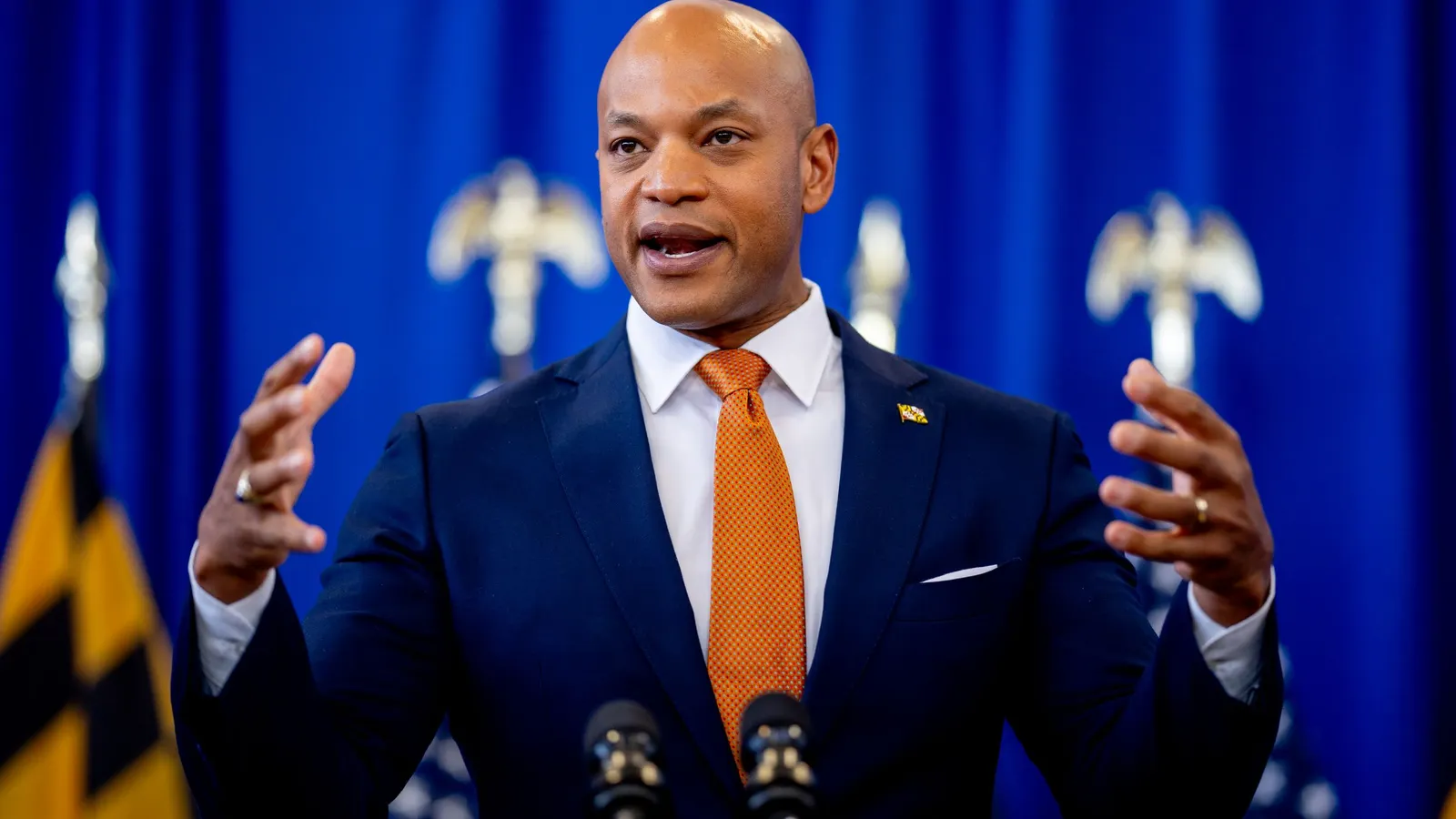
Gov. Wes Moore’s new AI framework emphasizes regulation and workforce reskilling, beginning with the formation of committees and broad stakeholder engagement to shape policy. It will build on Maryland’s existing workplace AI law, which already regulates the technology’s use on the job.