A Norfolk Southern railroader in his mid-60s won a $1.6 million age-bias verdict after alleging the company declared him unfit for duty despite multiple medical clearances and passing two physical evaluations. The case highlights legal risks for employers who take adverse employment actions against
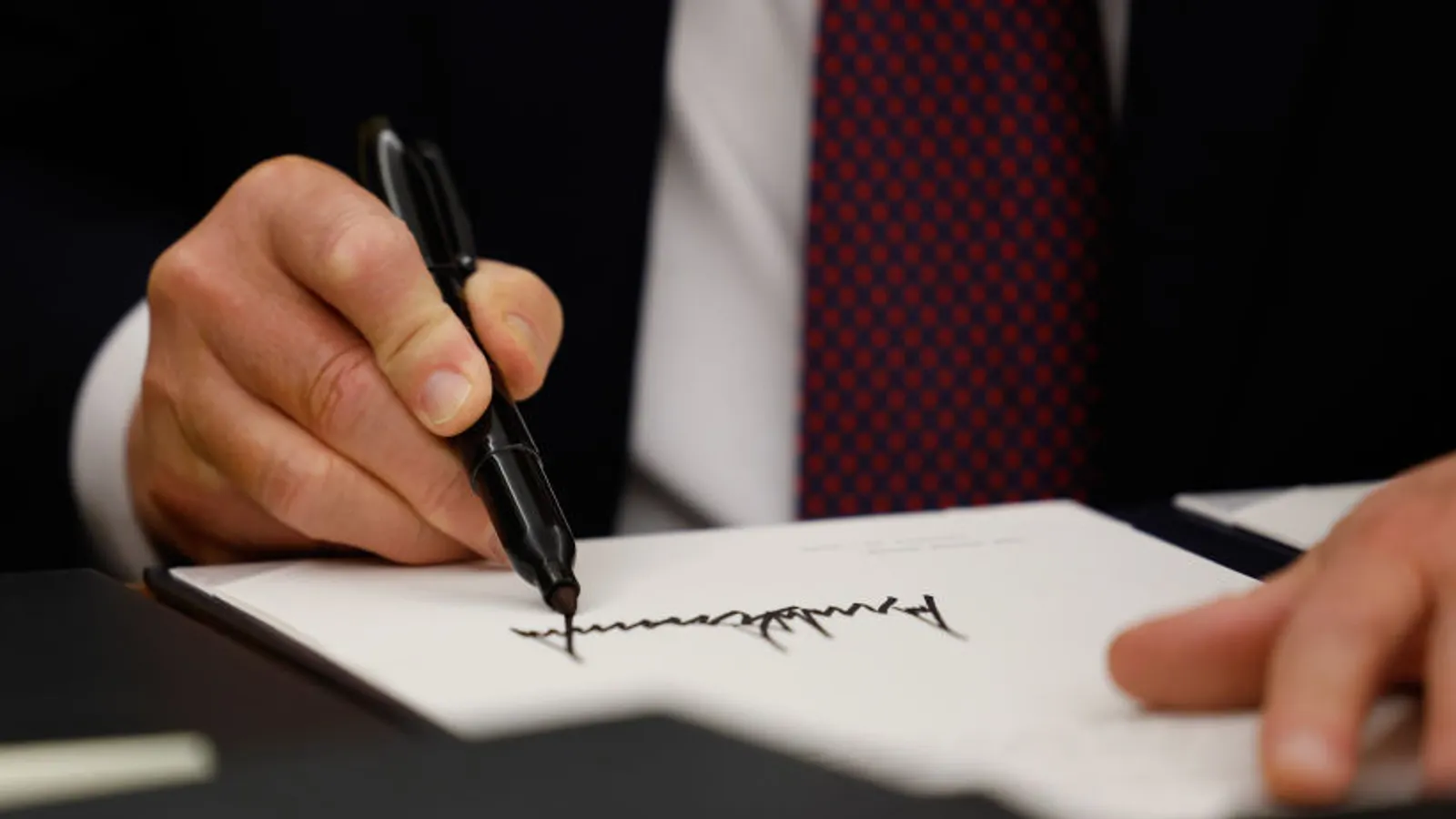
A federal judge declined to block President Trump’s March directive restricting diversity, equity and inclusion (DEI) initiatives for federal contractors. The court rejected plaintiffs’ constitutional challenges, finding the order addresses only conduct already prohibited by existing federal law.
California-based restaurant chain Il Fornaio will pay $3 million to settle EEOC allegations that widespread sexual harassment at multiple locations created a hostile work environment. The agency said at least 100 women were negatively affected, and the settlement resolves claims of rampant misconduc
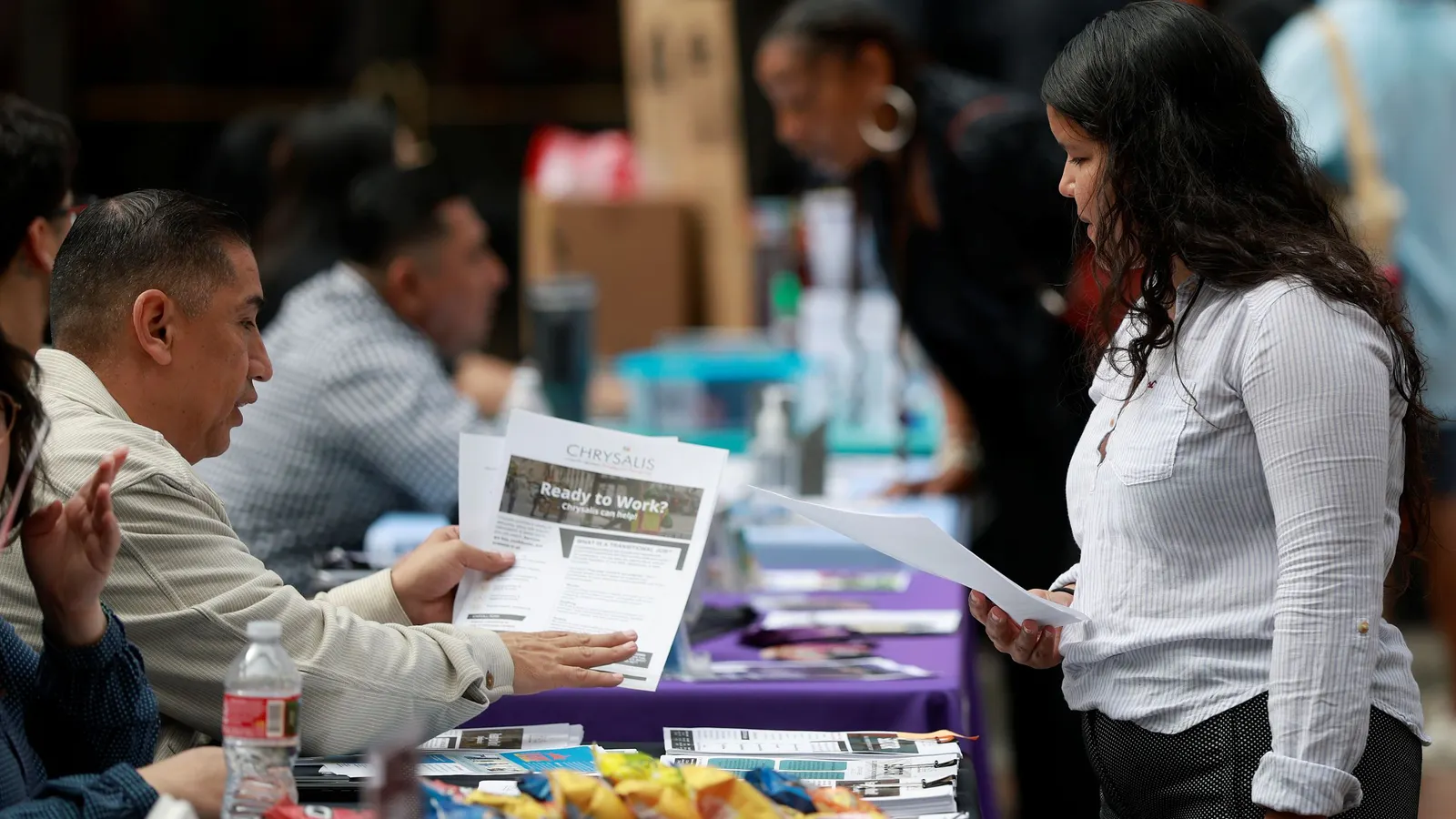
AI has helped recruiters source candidates more quickly, but it hasn’t increased trust in hires. According to TestGorilla, more than two-thirds of recruiters still spend an hour or more manually verifying candidates’ credentials.
A report finds CEOs are eyeing C-suite shake-ups as mounting pressures prompt leadership changes. When asked which senior roles they planned to replace, CHROs accounted for 12% of responses, highlighting increased scrutiny of HR leadership.
A survey from Employ finds that AI is driving recruiters’ top stressors, with current technology failing to meet HR professionals’ needs. The results point to a widening gap between emerging AI challenges and available tools, highlighting the need for better solutions and support for talent teams.
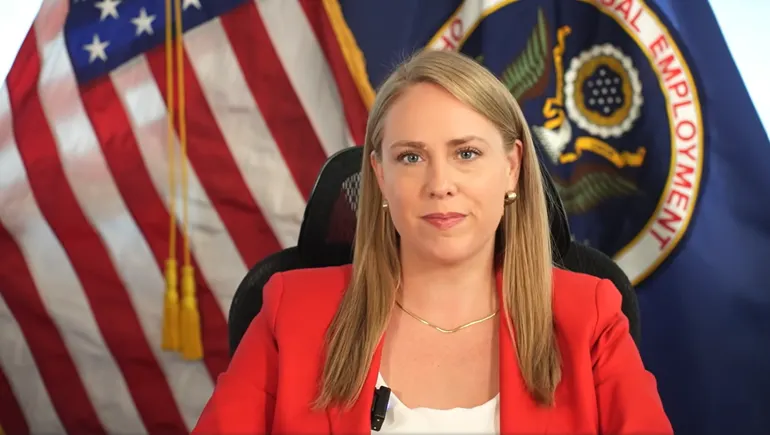
Under Trump 2.0, the EEOC has reframed its approach to national origin bias, prioritizing claims of anti‑American bias rather than focusing primarily on discrimination against immigrants. This shift signals a more "even‑handed" enforcement posture in how the agency investigates and issues guidance o
Despite nearly half of employees expressing reluctance to use AI, a Gartner study finds the technology can effectively identify signs of burnout. HR leaders could leverage AI-driven insights to monitor employee wellness and intervene earlier, while addressing adoption barriers and privacy concerns.
A Penn Foster study finds cost-of-living pressures are constraining career mobility: while many employees pay out of pocket for training, most say they would spend no more than $2,500 to prepare for a new career. This limited personal budget highlights a financial barrier to upskilling that employer